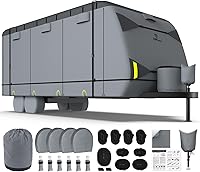
Should I Cover My RV in Winter?
Cover your RV for winter if it will sit outdoors for weeks or months and you can use a breathable, well-fitted cover. A cover helps shield the exterior from snow, rain, dust, and sun, but it needs a secure fit and regular checks.
On this page (8 sections)
- Should I cover my RV in winter if it stays outside?
- What does an RV cover protect against?
- When should I leave my RV uncovered?
- How do I reduce moisture under a winter RV cover?
- How should I secure an RV cover for winter wind?
- What should I check before covering my RV?
- Does covering an RV replace winterizing it?
- Should I cover my RV in winter or leave it bare?
Cover your RV for winter if it will sit outdoors for weeks or months and you can use a breathable, well-fitted cover. A cover helps shield the exterior from snow, rain, dust, and sun, but it needs a secure fit and regular checks.
A cover is one part of winter storage. It does not replace winterizing water lines, protecting batteries, checking seals, or following your RV maker's storage instructions.
Should I cover my RV in winter if it stays outside?
Yes, covering an RV stored outdoors through winter can help protect its exterior from weather and debris. The benefit is strongest when the cover fits the RV and allows airflow.
Before buying, measure the RV as the cover maker directs, including roof features and any ladder or spare tire that affects fit. A cover that is too loose can flap in the wind, while one that is too tight may strain at corners and edges.
If your RV is stored under a roof or inside a garage, a cover may offer less benefit. Consider how much exposure the vehicle will get and whether a cover could rub against nearby walls or equipment.
For help comparing construction and fit, see what makes a good RV cover. If you're storing a travel trailer, our travel trailer cover guide covers that category.
What does an RV cover protect against?
An RV cover can shield exterior surfaces from rain, snow, dust, and sunlight. The level of protection depends on the cover material, fit, and how well you secure it.
A water-repellent outer surface can help rain bead and run off, while a breathable layer and vents can help moisture escape. These features don't guarantee a dry RV in every condition, so inspect the cover and the vehicle during storage.
A cover also creates a layer between the exterior and airborne dirt or light contact. It won't prevent every scratch, and rough fabric movement can cause wear if the cover is loose or rubbing against a sharp edge.
When should I leave my RV uncovered?
Skip a cover if you can't secure it properly, the RV is damp, or the cover would rub against a sharp surface. Those conditions can make the cover itself a source of wear or trapped moisture.
Dry the RV before covering it, especially around awnings, roof seams, and storage compartments. Remove anything that could trap water against the exterior, and follow the RV and cover makers' instructions for storage.
A covered parking space may already provide enough protection for your situation. If the RV will be used often during winter, consider whether repeated removal and refitting is practical.
How do I reduce moisture under a winter RV cover?
Start with a dry RV and choose a cover that includes ventilation. Airflow can help moisture escape, but it does not remove the need to check underneath the cover.
Inspect the RV after rain or snow and during warmer spells. If you find condensation, damp fabric, or pooled water, uncover the area and let it dry before covering it again.
Don't assume a waterproof outer layer means the cover is airtight. Breathability and vent placement matter because moisture can come from the air and from damp surfaces beneath the cover.
Our guide to whether RV covers trap moisture explains how airflow and fit affect that tradeoff. For a closer look at materials, read the best material for an RV cover.
Does a breathable cover prevent mildew?
A breathable cover can help moisture escape, but it cannot guarantee that mildew won't form. A damp RV, poor airflow, or missed leaks can still create problems beneath a cover.
Check the interior for signs of leaks before storage and let wet areas dry. Keep roof vents and other openings configured according to the RV maker's instructions.
How should I secure an RV cover for winter wind?
Use the cover's fitted hem and straps to hold it in place, then check the setup after windy weather. Loose fabric can flap, shift, and rub against corners.
Follow the cover's instructions for where each strap goes and how tight to make it. Avoid pulling a strap across a sharp edge, and inspect the fabric where it contacts ladders, mirrors, or roof equipment.
The RVMasking 28-31 ft 9-Layer Travel Trailer Cover includes roof straps, a long strap that wraps around the lower RV, an elastic hem, and front and rear tension straps.
For a 24-27 ft travel trailer, the CAMMOO cover has top, bottom, front, and rear straps, plus an elastic hem and vent openings.
Extra tie-down straps can help if your cover setup calls for them. RV MURTS supplies two adjustable 40 ft straps for securing covers; they are for lashing, not lifting or pulling.
Use the cover's own instructions first. More tension isn't always better, since a tight strap can stress the cover or press it against an edge.
What should I check before covering my RV?
Clean and dry the RV, inspect for leaks, and check that the cover size suits its shape. These steps make it easier to spot trouble before the RV is stored for the season.
Close doors and windows, secure loose exterior items, and follow the manufacturer's storage guidance for awnings and slide-outs. Remove debris from the roof and check for sharp points that could catch the fabric.
If you have slide-outs, confirm whether the cover is designed to fit over them and follow the RV maker's storage position. Our guide to RV covers and slide-outs explains what to consider.
For setup details, see how to put a cover on an RV. Work with another person when needed, especially when lifting fabric over the roof.
Does covering an RV replace winterizing it?
No, an RV cover protects the exterior, while winterizing addresses systems such as plumbing. Take both steps if your RV will face freezing temperatures and outdoor exposure.
Use the RV maker's winterization instructions for water lines, tanks, appliances, and batteries. A cover can't prevent frozen pipes or protect every component from cold.
For cold-weather storage, read how to keep RV pipes from freezing. If you plan to use the RV during winter, how to keep an RV warm covers heating and insulation considerations.
Should I cover my RV in winter or leave it bare?
Cover an outdoor RV when you can keep it dry, choose a suitable breathable fit, and secure it safely. Leave it uncovered when the cover can't be fitted or checked without rubbing, trapping moisture, or shifting in wind.
Pick a cover if long outdoor storage makes weather protection useful and you can inspect it during the season. Pick covered parking or no cover if the RV is already sheltered, or if you can't keep the fabric secure.
For the final fit decision, compare RV cover fabric and fit options before choosing a size.
Frequently asked questions
Should I cover my RV in winter?
Cover an RV that will sit outdoors for much of winter if you can choose a breathable cover that fits its size and shape. A cover can shield the exterior from snow, rain, dust, and sun, but it does not replace winterizing plumbing, checking seals, or inspecting the cover after storms.
Can an RV cover cause mold?
Moisture trapped under a cover can contribute to mold, so start with a dry RV and choose a cover with ventilation. Follow the cover maker's care instructions, inspect vents and seams, and remove or adjust the cover if moisture collects underneath.
Should I cover an RV in a garage?
A garage already blocks much of the weather, so an RV cover may add little and can make access or airflow harder. Keep the RV clean and dry, and use a cover only if its fit and care instructions suit the storage space.
How do I keep an RV cover from blowing off?
Use the cover's straps and tension points as directed, with the hem fitted around the RV. Check that straps are snug without pulling hard against edges, then inspect the setup after high winds because loose fabric can flap and wear.