How to Keep an RV Warm in Winter Without Running Up the Bill
To keep an RV warm in winter without running up the bill, seal drafts, cover windows, and insulate exposed tanks and pipes before turning up the heat. Use your RV’s approved heating system and focus warmth where it escapes.
On this page (9 sections)
- How do you keep an RV warm in winter while using less heat?
- Which parts of an RV lose heat fastest?
- Do reflective window covers help keep an RV warm?
- Can RV skirting make the inside warmer?
- How do you protect RV tanks and pipes from freezing?
- Does a heated water hose warm the RV?
- What should you avoid when heating an RV?
- How can you keep an RV warm in winter on a budget?
- What is the simplest plan for keeping an RV warm?
To keep an RV warm in winter without running up the bill, reduce drafts, cover windows, and protect exposed plumbing and tanks before raising the thermostat. Use the RV’s approved heating system, then focus on the places where heat escapes.
Start with low-cost changes: close gaps, use curtains or window covers, and keep doors shut between heated spaces. If the RV is parked, skirting can help block wind beneath it, while tank heat and a heated hose address specific water-system needs.
How do you keep an RV warm in winter while using less heat?
Stop heat from escaping before turning the thermostat higher. Check door seals, storage-bay doors, window latches, and any openings around plumbing or cables.
Use removable draft blockers where they will not interfere with exits or equipment. Close curtains at night, but keep required vents and combustion air openings clear.
A rug can make a cold floor feel more comfortable underfoot. It does not insulate the RV’s tanks or plumbing, so treat those as separate freeze risks.
Choose the thermostat setting that feels comfortable and safe for the people inside. Avoid improvised heaters or covering a furnace intake, exhaust, or other opening; follow the RV and heater manuals.
Which parts of an RV lose heat fastest?
Windows, doors, floors, and the exposed undercarriage are common places to check first. The exact weak spots depend on the RV’s layout, insulation, and condition.
Run your hand near closed doors and windows to feel for drafts. Inspect seals for gaps or damage, and repair them with materials approved for the surface.
For a parked RV, wind beneath the floor can make the interior feel colder and expose plumbing to cold air. Our guide to insulating an RV for winter covers additional ways to reduce heat loss without remodeling.
Do reflective window covers help keep an RV warm?
A fitted window cover can reduce heat transfer through the glass. Use it at night or when a window is not needed, while keeping exits and ventilation usable.
The HADOR Reflective Window Insulation Roll has a foam core between reflective foil faces and measures 48 in x 10 ft. It includes adhesive hook-and-loop pads and foil tape for mounting.
Measure each window before cutting, since RV windows can vary in size. Keep covers clear of emergency exits, latches, and any equipment that must remain accessible.
Can RV skirting make the inside warmer?
Skirting can reduce wind exposure beneath a parked RV and help shield the undercarriage. It is most useful when the RV is stationary and the skirt fits securely around its base.
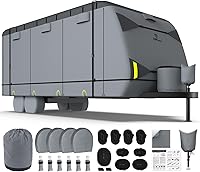
The KUCKGO Insulated RV Skirting is made for travel trailers, fifth wheels, toy haulers, and Class A, B, and C motorhomes. KUCKGO says to choose a size using (RV length + RV width) × 2, and the skirting uses hook-and-loop straps for installation.
Measure the RV carefully and check the height before choosing a size. Read our guide to the best RV skirting for winter for more fit and setup considerations.
Skirting alone does not guarantee that pipes or tanks will stay above freezing. Protect vulnerable water components directly, and check them during cold spells.
How do you protect RV tanks and pipes from freezing?
Keep water-system protection separate from cabin heating. Identify exposed lines, valves, and tanks, then follow your RV manual for winter operation and freeze protection.
For interior plumbing, close cabinet doors that hide pipes so warm cabin air can circulate around them. Keep any required heat pathways open, and don’t assume a warm living area means the undercarriage is safe.
The Kohree 12V RV Tank Heater Pads, 2-Pack are designed for fresh, grey, and black water tanks. They have a built-in thermostat that switches on at 41°F and off at 59°F, and they are intended for 12V or 13.5V power.
Kohree says the pads should only run when there is water in the tank. Confirm the power system and installation requirements before use, and follow the RV and pad instructions.
For more on exposed plumbing, see how to keep RV pipes from freezing at the campsite. If the RV will be stored rather than occupied, whether to cover an RV in winter is a separate decision from keeping it warm.
Does a heated water hose warm the RV?
A heated hose protects the water line between the source and RV; it does not heat the cabin or onboard plumbing. It can be useful when you stay connected to campground water in freezing weather.
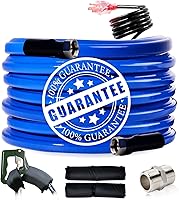
The Bipeoo 30 ft Heated Water Hose has a 30 ft length. Bipeoo says its temperature control is designed to prevent water from freezing down to -45°F, and the hose is described as lead- and BPA-free.
Choose a length that reaches without stretching or creating a trip hazard. Check the power source and campground rules, and follow the hose instructions for setup and storage.
If you use the RV’s fresh-water tank instead, a heated hose may not address your main risk. For help choosing between hose insulation and active heat, read insulated vs heated RV water hose.
What should you avoid when heating an RV?
Use only heating methods approved for your RV, and keep safety openings unobstructed. Don’t use a stove or oven to heat the cabin, and don’t block furnace vents, air intakes, or required ventilation.
Portable electric heaters can add warmth when the RV’s electrical system and campground supply support them. Place any heater as its manual directs, away from bedding, curtains, and other materials that can catch fire.
Never run a generator or fuel-burning heater inside the RV. Follow the detector instructions and keep carbon monoxide and smoke alarms working.
How can you keep an RV warm in winter on a budget?
Start with draft checks and window covers, then spend on the specific cold spot you find. This order helps avoid buying gear that does not match your RV’s problem.
Use reflective window insulation if glass feels like the main heat loss. Consider skirting for a parked RV with an exposed undercarriage, and tank pads or a heated hose only when those water components need protection.
For a broader setup plan, compare these steps with how to insulate an RV for winter. The right approach depends on whether you are living in the RV, camping with hookups, or storing it.
What is the simplest plan for keeping an RV warm?
To keep an RV warm in winter, seal drafts and reduce window heat loss first, then protect exposed tanks, pipes, and supply lines according to their location. Use skirting for an exposed undercarriage, tank pads for compatible tanks, and a heated hose only for a connected water supply.
If you are parked for the season, review winter RV skirting options and whether an RV cover makes sense in winter. Choose protection that fits your RV and the way you use its water system.
Frequently asked questions
How can I keep my RV warm in winter without using more heat?
Reduce heat loss first: close drafts, cover windows at night, use rugs on cold floors, and keep doors shut between heated areas. Protect exposed plumbing and tanks with suitable insulation or heat.
Use only heating equipment allowed by your RV manual, and keep vents and air intakes clear.
Does RV skirting help keep an RV warm?
RV skirting can block wind beneath a parked RV and help protect the undercarriage, where exposed plumbing may be vulnerable. Choose a skirt that fits the RV and can be secured as intended.
Skirting does not replace tank heat or freeze protection in every condition.
Should I cover RV windows in winter?
Window insulation can reduce heat transfer through glass, especially overnight. Cut covers to fit without blocking emergency exits, ventilation, or required safety equipment, and remove or open them when needed.
Check the window and RV manuals before attaching adhesive pads or tape.
Can a heated water hose keep my whole RV warm?
No. A heated water hose helps protect the supply line between the water source and RV, but it does not heat the cabin, tanks, or interior plumbing.
Protect those areas separately, and follow the hose and campground power instructions.