Insulated vs Heated RV Water Hose: Which Do You Need? (October 2026)
Choose insulation for mild cold and a heated hose for freezing conditions when you need flowing water. An insulated vs heated RV water hose decision depends on temperature, power access and which parts of the water line need protection.
On this page (7 sections)
- Insulated vs heated RV water hose: what is the difference?
- Which option fits your winter camping conditions?
- Does a heated hose protect the RV plumbing too?
- What should you check before choosing?
- Which products fit each job?
- What is the safest way to compare the two?
- Insulated vs heated RV water hose: which do you need?
Choose insulation for mild cold and a heated hose for freezing conditions when you need flowing water. An insulated vs heated RV water hose decision depends on temperature, power access and which parts of the water line need protection.
Insulation slows heat loss, while a heated hose adds active heat. Neither choice by itself protects every fitting, exposed pipe and RV connection in a winter setup.
If you camp where temperatures stay below freezing, a purpose-built heated water hose is the more direct option for the water connection. For a milder forecast, insulation may be enough as one part of a broader plan, but it does not guarantee water will keep flowing.
 Best for adding heat to an existing line
H&G Lifestyles 25 ft Water Hose Heating Wrap
 Best for a ready-to-use water connection
REHOSEUP 30 ft Heated Water Hose, -45F
Insulated vs heated RV water hose: what is the difference?
Insulation slows heat from escaping; a heated hose uses power to add heat. The right choice depends on how cold the site gets and whether you can safely power the hose according to its instructions.
Insulation is passive. It can reduce exposure to cold air, but it cannot replace heat that has already left the hose.
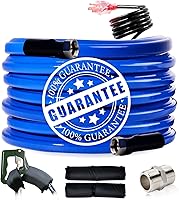
A heated hose uses an electrical heating system along its length. The REHOSEUP 30 ft heated water hose has a self-regulating thermostat and is designed for RV water connections in cold weather.
What does insulation do on an RV hose?
Insulation adds a layer around a hose or connection to slow heat loss. It does not warm cold water, and its benefit depends on the conditions and how much of the line it covers.
A short insulated section can leave vulnerable points at the hose ends, water spigot and RV inlet. Cold air can still reach those exposed spots, so inspect the entire route rather than just the hose middle.
An insulated hydrant cover can help protect an exposed faucet area. The DEMEDO cover is 43 in high by 18 in wide, with 3M Thinsulate insulation and a drawstring closure; it covers a hydrant, not the full hose.
How does a heated water hose work?
A heated water hose uses electricity to supply heat along the hose. That active heat can help reduce freezing risk in cold-weather use, but the hose still needs a suitable power source and correct setup.
The REHOSEUP hose is 30 ft long and includes a self-regulating thermostat. Its product information says it is designed to help prevent freezing down to -45°F, but that is a manufacturer claim, not a guarantee for every installation.
Check the instructions for power, connection and temperature limits. Keep the hose and its electrical connection arranged as directed, and do not assume the heater protects the RV plumbing beyond the hose itself.
Which option fits your winter camping conditions?
Choose a heated hose when temperatures are expected to freeze and water access matters; consider insulation for less severe cold or local exposure. Forecast lows, wind, shade and the length of exposed line all affect the decision.
An insulated hose may suit a short cold snap above freezing or a site where the water line is protected from wind and direct exposure. It is not a substitute for heat when freezing weather persists.
A heated hose is the more direct choice when you need water during extended freezing conditions and have power available. Plan for the hose ends and RV plumbing too, since they can remain exposed.
Our guide on keeping an RV water hose from freezing covers practical steps for cold-weather connections. If you already have a heated hose, see how to use a heated water hose on your RV for setup considerations.
When is insulation enough?
Insulation may be enough when temperatures are only briefly cold and the water line is otherwise sheltered. Use it to reduce heat loss, while recognizing that it cannot create heat or ensure water will not freeze.
It can also help protect a specific exposed point, such as an outdoor hydrant. The DEMEDO cover suits a longer RV park hydrant, but it does not cover the whole water route to your RV.
If nighttime temperatures drop below freezing for several hours, assess the whole system. A protected faucet does not keep an unheated hose or exposed fittings warm.
When should you choose active heat?
Choose active heat when you need a water connection during sustained freezing weather. A purpose-built heated water hose such as the REHOSEUP model combines the hose and heating system in one item.
Power access is part of that choice. Follow the hose instructions for electrical use and placement, and use a connection that meets the manufacturer's requirements.
If you cannot power the hose as directed, do not rely on it for heat. Consider another water plan and protect the RV's other exposed lines.
Does a heated hose protect the RV plumbing too?
No, a heated hose only addresses the hose itself; exposed connections and RV pipes need separate attention. Water can freeze at an unprotected spigot, fitting, inlet or pipe even when the hose is heated.
Walk the full route from the campground hydrant to the RV. Look for gaps between the hose and faucet, exposed elbows, low spots and any pipe section near the ground or outside the heated space.
A hydrant cover can add insulation at the source. For pipes beyond the hose, review how to keep RV pipes from freezing at the campsite and choose protection that matches the pipe and installation.
How should you protect hose ends?
Treat both ends as separate freeze points. The connection to the hydrant and the inlet at the RV can be more exposed than the middle of a hose.
Keep fittings covered only with materials and methods suitable for the setup. Avoid blocking access to shutoffs or creating a trap for moisture around electrical parts.
Check the connections during cold weather. If the hose is powered, follow its directions for inspection and safe use instead of handling or repositioning it while connected unless the instructions allow that.
Should you heat the pipe or the hose?
Use a heated hose for the water connection and pipe heat for exposed pipe sections. These serve different parts of the route, so one does not automatically replace the other.
Heat tape or heat cable may fit an exposed pipe run when installed according to its instructions. Read our heat tape vs heat cable guide for RV water lines to compare those options.
Don't wrap a hose with a pipe product unless its directions allow that use. The H&G Lifestyles 25 ft Water Hose Heating Wrap is described for sewer hose use, so it is not a clear substitute for a heated drinking water hose.
What should you check before choosing?
Measure the route, identify every exposed section and confirm how you can power any heating equipment. Those checks help prevent buying a hose or cover that protects the wrong part of the setup.
Start with the distance from the water source to the RV inlet. Allow room for safe routing without sharp bends or tension, and compare that path with the hose length.
Next, mark the exposed areas: the hydrant, hose, fittings, inlet and any pipe between them. Each may need a different form of protection.
Finally, review the operating instructions for any heated hose or wrap. Confirm the intended use, electrical requirements and temperature guidance before connecting it.
Which products fit each job?
Use a heated water hose for the RV supply line, a hydrant cover for the faucet, and a hose wrap only when its intended hose type matches your setup. The three products below address different parts of a winter water or waste system.
The REHOSEUP 30 ft heated water hose is the direct fit for a cold-weather RV water connection. Its built-in heating and self-regulating thermostat are relevant when you need an electrically heated water line.
The DEMEDO insulated hydrant cover suits an exposed outdoor faucet, especially a longer RV park hydrant. It adds insulation at the source but does not heat the hose.
The H&G Lifestyles wrap uses hook-and-loop fastening around an existing hose. Its product details describe sewer hose use, so check compatibility carefully and do not treat it as a drinking water hose.
What is the safest way to compare the two?
Compare the cold exposure and the exact section you need to protect, then choose insulation or active heat for that section. A single product rarely covers the hydrant, hose, RV inlet and plumbing together.
For occasional mild cold, insulation may slow heat loss at a sheltered hose or faucet. For sustained freezing weather with power available, a heated water hose is the more direct option for the supply connection.
If you need to protect pipe beyond the hose, use a method intended for pipe and follow its instructions. The RV holding tank heater guide explains a separate winter system for tanks, which should not be confused with hose or pipe protection.
Insulated vs heated RV water hose: which do you need?
Pick insulation for limited, milder exposure; pick a heated water hose for a freezing campsite where you need water and can power it as directed. Then protect the hydrant, fittings and RV plumbing as separate parts of the route.
The REHOSEUP hose fits the heated-water job, while the DEMEDO cover adds insulation at an outdoor hydrant. The H&G wrap is described for sewer hoses, so match it only to that use.
For a complete cold-weather setup, start with how to keep an RV water hose from freezing and check every exposed connection before temperatures fall.
Frequently asked questions
Does an insulated RV water hose prevent freezing?
Insulation slows heat loss, but it does not add heat to the water. It may help in mild cold or as part of a broader winter setup, but it cannot guarantee that a hose or connection will stay unfrozen when temperatures remain below freezing.
When should you use a heated RV water hose?
Use a heated RV water hose when you need water during freezing conditions and can connect the hose to power as directed. Active heat can help reduce freezing risk along the hose, but exposed fittings, the RV inlet and plumbing still need attention.
Can you wrap a regular RV hose with insulation?
You can add insulation around a hose, but the hose ends and water connections remain vulnerable, and insulation alone does not create heat. Check that any wrap is intended for the hose type and outdoor conditions, then plan how to protect every exposed section.
Is a heated hose better than heat tape for an RV?
A heated hose suits a water connection that needs a full replacement hose with built-in heat. Heat tape or cable is intended for pipe sections, so compare the application, installation directions and power needs before choosing.
What else should you protect besides the RV hose?
Protect exposed fittings, the hydrant, the RV inlet and vulnerable pipes as well as the hose. A faucet cover can insulate an outdoor hydrant, while separate pipe protection may be needed between the connection and the RV.