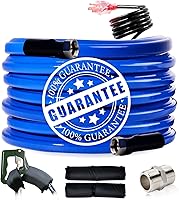
How to Use a Heated Water Hose on Your RV
To use a heated water hose for an RV, connect it between the campground hydrant and your RV, then plug in its heater as directed. Keep the hose routed without kinks, protect exposed connections, and follow the hose and RV manuals.
On this page (8 sections)
- How do you set up a heated water hose for an RV?
- What should you check before connecting the hose?
- How do you connect and route the hose?
- What temperature can a heated hose handle?
- How do you keep the hose from freezing at the connections?
- What should you do if water stops flowing?
- How should you disconnect and store a heated hose?
- What is the right way to use a heated RV water hose?
To use a heated water hose for an RV, connect it between the campground hydrant and your RV, then plug in its heater as directed. Route it without kinks, keep electrical connections dry, and follow the hose and RV manuals.
Start by checking the hose length, the path to the water inlet, and where the power outlet is. A hose that reaches the RV but leaves its plug in a puddle or stretched across a walkway needs a different route.
How do you set up a heated water hose for an RV?
Connect the hose to the hydrant and your RV's fresh-water inlet, then power its heating system according to its instructions. Check the fittings and outlet requirements before you turn on the water.
- Check that the hose length reaches without stretching or crossing a vehicle path.
- Inspect the hose, fittings, cord, and plug for damage.
- Connect the hose ends by hand, following the hose and RV instructions.
- Turn on the hydrant slowly and check the connections for leaks.
- Plug in the heater as its instructions direct, keeping the plug and connection dry.
- Secure the route so the hose won't be crushed, sharply bent, or tripped over.
Don't assume that every heated hose powers on the same way. Some models have a thermostat-controlled heating cable and an indicator plug; use those features as described in the maker's instructions.
What should you check before connecting the hose?
Check the hose condition, available power, and connection route first. That helps you spot a damaged cord, an awkward run, or a mismatch before water is flowing.
Uncoil the hose and look along its full length. Don't use it if the outer jacket, fittings, cord, or plug appear damaged; contact the maker for guidance.
Check the RV manual for fresh-water hookup requirements. If your setup uses a regulator, filter, or other fitting, follow each item's instructions for connection order and pressure limits.
How long should the heated hose be?
Choose a hose that reaches the hydrant without pulling tight, with only the extra length needed for a smooth route. Measure the path on the ground rather than estimating from the RV's inlet to the hydrant in a straight line.
A 25 ft hose may suit a close hydrant, while a longer run may call for a longer hose. Avoid leaving excess hose in tight coils or loops that can catch feet or equipment.
The Camco 25 ft Heated Drinking Water Hose fits a shorter connection run and has a 6 ft power cord with an LED indicator plug.
Camco says the hose has a thermostat-controlled heating cable and freeze protection down to -20°F. It also describes the hose as NSF/ANSI 61 certified for drinking water and CSA lead-free certified to NSF/ANSI 372.
Check the distance to the outlet as well as the hydrant. Don't use an extension cord unless the hose maker, RV manual, and campground rules allow the arrangement.
Where should you place the power connection?
Keep the plug and electrical connection dry, supported, and away from standing water. Route the cord so it can't be pinched by a door, tire, leveling block, or storage compartment.
Use an outlet that matches the hose's requirements and follow its instructions for grounding and circuit protection. Don't modify the plug or connect damaged wiring.
The hose should not block a walkway or sit where people may drive over it. If you can't protect the power connection from rain, splash, or runoff, ask the campground about a safer hookup location.
How do you connect and route the hose?
Make each connection snug by hand, then route the hose with broad bends and no sharp kinks. Check the RV manual for inlet and fitting requirements, and don't force a connection that doesn't line up.
Turn the hydrant on gradually after connecting. Look at both ends and any added fittings for drips, then correct the connection before leaving the hookup unattended.
Keep the hose off sharp edges and away from hot surfaces. Don't bury it under a mat or cover unless the hose maker specifically allows that setup.
Can you cover the hydrant and hose fittings?
An insulated hydrant cover can help shield an exposed outdoor faucet, but it doesn't heat the hose or protect the RV's plumbing. Choose a cover that fits the hydrant and doesn't interfere with the water connection.
The DEMEDO Insulated Hydrant Faucet Cover is 43 in high by 18 in wide and uses 3M Thinsulate insulation with a waterproof-coated outer fabric.
DEMEDO says the cover uses a drawstring for fastening. Check the hydrant shape and height before choosing a cover, and don't rely on it as the only freeze protection for connected water lines.
What temperature can a heated hose handle?
Use the temperature range stated by the hose maker, and plan for the coldest conditions expected at your campsite. A hose's advertised freeze-protection figure doesn't guarantee that the hydrant, fittings, RV inlet, or pipes will stay unfrozen.
The Kohree 25 ft Heated Water Hose -40F is described by Kohree as providing freeze protection down to -40°F. Kohree also says its heating cable is thermostat-controlled and the hose operates on 120V AC.
Bipeoo describes its 30 ft heated hose as protecting against freezing down to -45°F and having an intelligent temperature adjustment function. Those figures are maker claims, not a substitute for checking the full hookup and site conditions.
Temperature is only one part of setup. Wind exposure, unprotected fittings, power interruption, and the RV's own plumbing can affect the full water system.
For a wider view of cold-weather protection, see how to keep RV pipes from freezing at the campsite. It covers the plumbing beyond the hose itself.
How do you keep the hose from freezing at the connections?
Protect exposed connections separately and follow the hose maker's guidance for insulation or covers. The hose may be heated while a bare fitting, filter, or hydrant remains exposed.
Avoid wrapping the hose or cord in materials that trap moisture or could interfere with heat dissipation. Use only covers and insulation arrangements allowed by the relevant instructions.
A hydrant cover can reduce exposure at the faucet, while the RV inlet may need a different approach. Check the RV manual before adding insulation around its water compartment or connections.
For hose-specific ways to reduce freezing risk, read how to keep an RV water hose from freezing. If you're deciding between hose insulation and powered heat, compare insulated vs heated RV water hoses.
What should you do if water stops flowing?
Check power, the outlet, and visible connections first, then follow the hose maker's troubleshooting steps. Don't apply open flame or uncontrolled direct heat to a hose, plug, or frozen fitting.
Confirm that the outlet is on and the plug is fully connected, if the maker's instructions call for it. Look for a tripped circuit, loose fitting, closed hydrant, or kink in the hose.
If water remains blocked, turn off the hydrant and disconnect the hose only as the instructions allow. Contact the hose maker or campground staff if you can't identify a safe next step.
A heated hose cannot correct a frozen RV pipe or inlet. Check the RV manual and protect the rest of the water system before restoring flow.
How should you disconnect and store a heated hose?
Turn off the water, relieve pressure as instructed, disconnect the hose, and let it drain before storing it. Keep the power plug dry while you work and follow the maker's storage directions.
Don't pull the hose by its cord or drag the fittings across the ground. Coil it loosely without sharp bends, and store it in a dry place after it is clean and drained.
Inspect the jacket, cord, and fittings again before the next trip. Replace or repair the hose only as its maker directs.
What is the right way to use a heated RV water hose?
For a safe hookup, match the hose length to the route, connect it as instructed, keep power connections dry, and check for leaks. Then consider the hydrant and RV plumbing separately, since the hose alone doesn't protect every part of the water system.
Choose a 25 ft hose for a short run, or consider the Bipeoo 30 ft hose if you need more reach and its stated temperature range fits your conditions. Use an insulated hydrant cover only where it fits, and see heat tape vs heat cable for RV water lines when you need to protect plumbing beyond the hose.
For more hose options, browse the heated water lines guide.
Frequently asked questions
Can you leave a heated RV water hose plugged in overnight?
Follow the hose maker's instructions and the campground's electrical rules. Check that the cord and plug are dry, undamaged, and connected to a suitable outlet, and route them so they won't sit in water or be crushed.
A built-in thermostat on some hoses controls heating, but it doesn't replace safe setup.
Should you use a pressure regulator with a heated RV hose?
Use a pressure regulator if your RV manual or campground requires one, and connect it in the order its maker specifies. The heated hose does not set or control campground water pressure.
Check every connection for leaks after turning the water on.
Can you connect a heated hose to a water filter?
You can add a filter if its fittings match your setup and its instructions allow the connection. Check the order recommended by the filter and RV makers, then inspect the fittings for leaks.
Keep the filter and any exposed fittings protected from freezing conditions.
Does a heated water hose protect RV pipes from freezing?
No, a heated hose only addresses the hose itself within the conditions and setup specified by its maker. RV pipes, the water inlet, filters, and fittings can still freeze.
Use the RV manual's cold-weather guidance and protect vulnerable components separately.